Good Husband vs. Respected Husband: What’s the Difference?
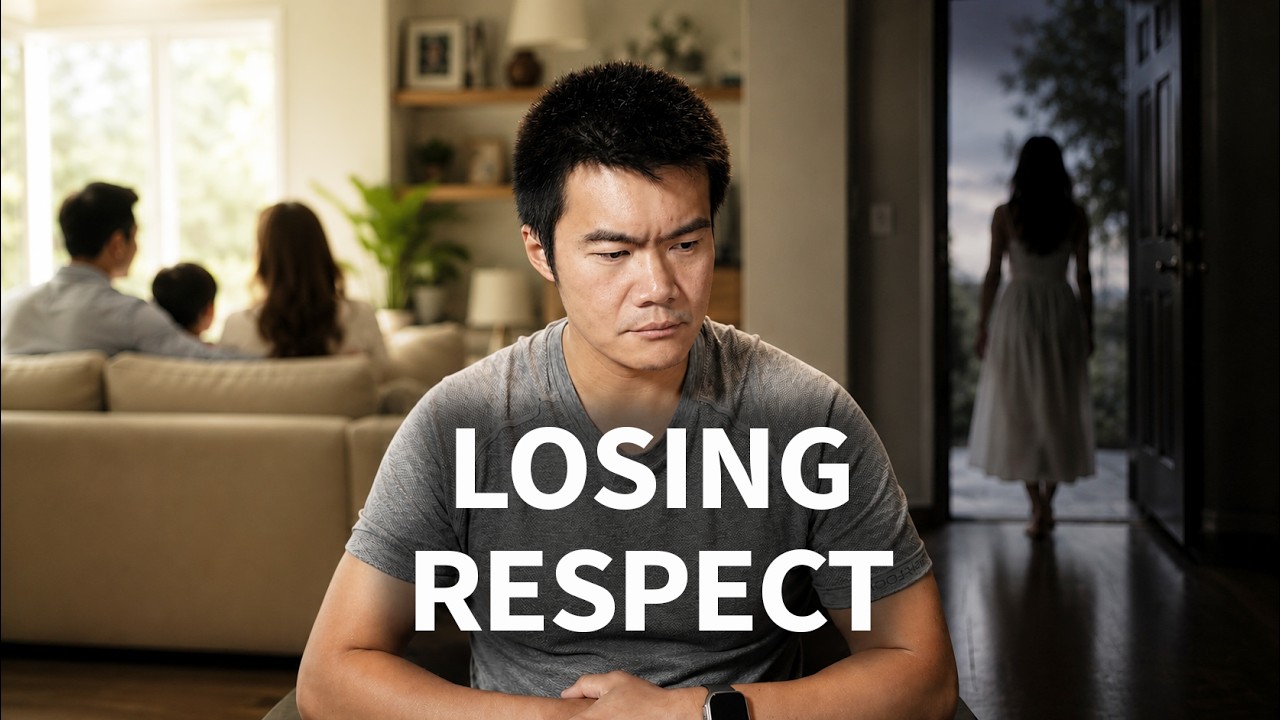
If you’re a married man and you feel like your wife doesn’t respect you anymore, like no matter how much you do, it’s never enough, you’ve probably been told one of two things. Either you’re the problem, or marriage has turned you into a weak man.
But what if both of those explanations are wrong?
What if you’re not actually losing respect? What if you’ve misunderstood how respect is built in the first place?
There is a message spreading online that says marriage slowly breaks men. The idea is that a confident, strong, grounded man eventually becomes someone who overworks, overgives, and loses himself trying to keep peace at home. It’s easy to see why that message resonates because many husbands genuinely feel that tension.
They work hard. They provide. They try to be present and engaged. Yet something still feels off.
The problem with this narrative is that it assumes marriage itself is the issue instead of asking whether we’ve misunderstood what marriage was designed to be. Scripture offers a very different perspective, one that neither shames men nor encourages them to become hardened and cynical. The goal is not to “win” against your wife. The goal is to become the kind of man who builds a marriage where respect naturally grows.
Many people argue that men lose respect in marriage because they give too much. At first glance, that sounds convincing. Yet the Bible says something very different about sacrifice.
Ephesians 5:25 tells husbands, “For husbands, this means love your wives, just as Christ loved the church. He gave up his life for her.”
Sacrifice itself is not the problem. In fact, sacrifice is the standard. The real question is how and why you’re sacrificing.
There is a world of difference between purposeful sacrifice and approval-seeking sacrifice. One flows from leadership. The other flows from insecurity.
Men don’t lose respect because they give. They lose respect when they lose clarity about who they are. When a man stops leading himself, he begins reacting instead of initiating. Instead of setting the direction of his home, he spends his energy trying to keep everyone happy.
This is where the popular saying, “Happy wife, happy life,” can become dangerous. When your highest priority becomes maintaining emotional peace at all costs, truth and leadership begin to take a back seat. Over time, your wife notices that shift. Not because she’s trying to control you, but because God did not design marriage around a husband who is constantly chasing approval instead of standing firmly in his identity.
Many husbands have experienced the conversation where their wife says, “I don’t want to tell you what to do. I want you to just know.”
That can be incredibly frustrating. It often feels like the expectations are constantly changing, the goalposts keep moving, and no matter how much effort you put in, it’s never quite enough.
The natural response is to try harder. You do more around the house. You give more of your time. You become increasingly focused on meeting every expectation.
The problem is that you’re trying to solve a leadership problem with more effort.
Effort without direction eventually leads to exhaustion, not respect.
Respect does not grow because you become more useful. Respect grows because you become more grounded.
Colossians 3:19 says, “Husbands, love your wives and never treat them harshly.”
Notice what the verse does not say. It doesn’t tell husbands to earn their wife’s approval, meet every expectation, or lose themselves to keep the peace. It simply commands husbands to love their wives and not become harsh toward them.
Biblical masculinity is both strong and steady. It is neither reactive nor driven by the need for validation.
This becomes even more significant within an equally yoked Christian marriage.
A Christian wife is not meant to develop her understanding of marriage in isolation. She is part of a community of believers, surrounded by godly women who are learning what Scripture teaches about marriage, love, and respect.
Ephesians 5:33 summarizes God’s design by saying, “So again I say, each man must love his wife as he loves himself, and the wife must respect her husband.”
In a healthy Christian community, both husband and wife are being discipled. Husbands are learning to love sacrificially. Wives are learning to respect their husbands. When respect begins to break down, it is not always simply a husband’s problem or a wife’s problem. Often, it is a discipleship problem. It reflects a growing distance from God’s design for marriage.
Another issue worth addressing is the growing use of the word “simp.”
The reason this label is so damaging is because it takes a real problem and distorts it. Yes, men can lose themselves in relationships. Yes, they can overgive out of fear or insecurity. But shaming those men doesn’t build them up. It hardens them.
A hardened man rarely becomes a better leader. Instead, he becomes emotionally distant, guarded, and less willing to love deeply.
That is not strength. It is self-protection.
At the heart of this issue lies something even more foundational.
A man without a mission will eventually lose respect, both from others and from himself.
When your life becomes centered on simply keeping things smooth at home, you slowly lose your sense of direction, vision, and purpose. Your wife often notices that shift, not because she wants you to fail, but because God designed marriage as a partnership where a husband leads with conviction and purpose.
Healthy respect in marriage is not built on fear, control, or perfection.
It is built on trust.
Trust that you are grounded. Trust that you are consistent. Trust that you are not easily shaken.
That kind of respect develops as you take responsibility for your own life, deepen your walk with God, and lead from conviction rather than emotion.
So what should a husband do if he finds himself trapped in this cycle?
First, re-anchor your identity in Christ.
Your worth is not determined by your wife’s mood, her approval, or your ability to perform perfectly as a husband. Your identity rests in who God says you are. When that foundation is secure, you stop chasing validation and begin leading with clarity.
Second, lead without needing permission.
Biblical leadership is not about controlling your wife. It is about taking initiative, setting direction, praying faithfully, making thoughtful decisions, and accepting responsibility. None of that requires perfection. It simply requires consistency.
Finally, build a God-centered marriage instead of a performance-based one.
When both husband and wife are pursuing Christ, love and respect begin reinforcing one another. The husband grows in sacrificial love. The wife grows in biblical respect. Neither happens perfectly, but both grow progressively as they become more like Christ.
The truth is that marriage does not turn men into weak versions of themselves.
Marriage reveals where they were already ungrounded and provides an opportunity for growth.
You are not doomed to lose respect.
You are being invited into something deeper, stronger, and more firmly rooted in God’s truth.
That is the better story.