Taking 14-months of Paternity Leave is Making Me More of a Man
I’m three months into a fourteen month paternity leave right now. Not finished. Not looking back nostalgically. I’m in it. And honestly, it’s going really well.
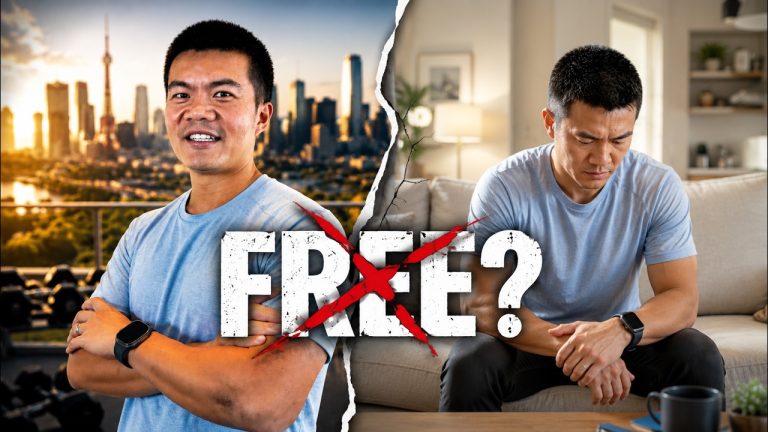
There’s a story in our culture that says a man’s value is tied almost entirely to production. Work hard. Earn more. Climb higher. Provide financially. And don’t let family slow you down.
If you step away from your career for a season, especially as a man, people quietly wonder if you’ve lost ambition.
So when I told people I was taking extended paternity leave, the reactions were mixed. Some were supportive. Some were surprised. Some didn’t quite know what to say. Fourteen months is not common. Especially for a dad.
But here’s what I’ve learned three months in: being present with my daughter daily is not a step backward. It’s a step deeper.
Now, let me be clear. I didn’t abandon structure. I didn’t abandon discipline. I didn’t abandon routine. I still train. The volume isn’t Ironman level anymore, but I’m still swimming, biking, running, lifting, doing mobility. I still wake up with intention.
I still eat well. I still pursue growth. Jenna and I work together as a team, and that partnership allows us both to stay grounded and structured. Routine keeps me sane. Discipline keeps me sharp.
But the difference is this: my primary assignment in this season isn’t performance. It’s presence.
And presence is not passive.
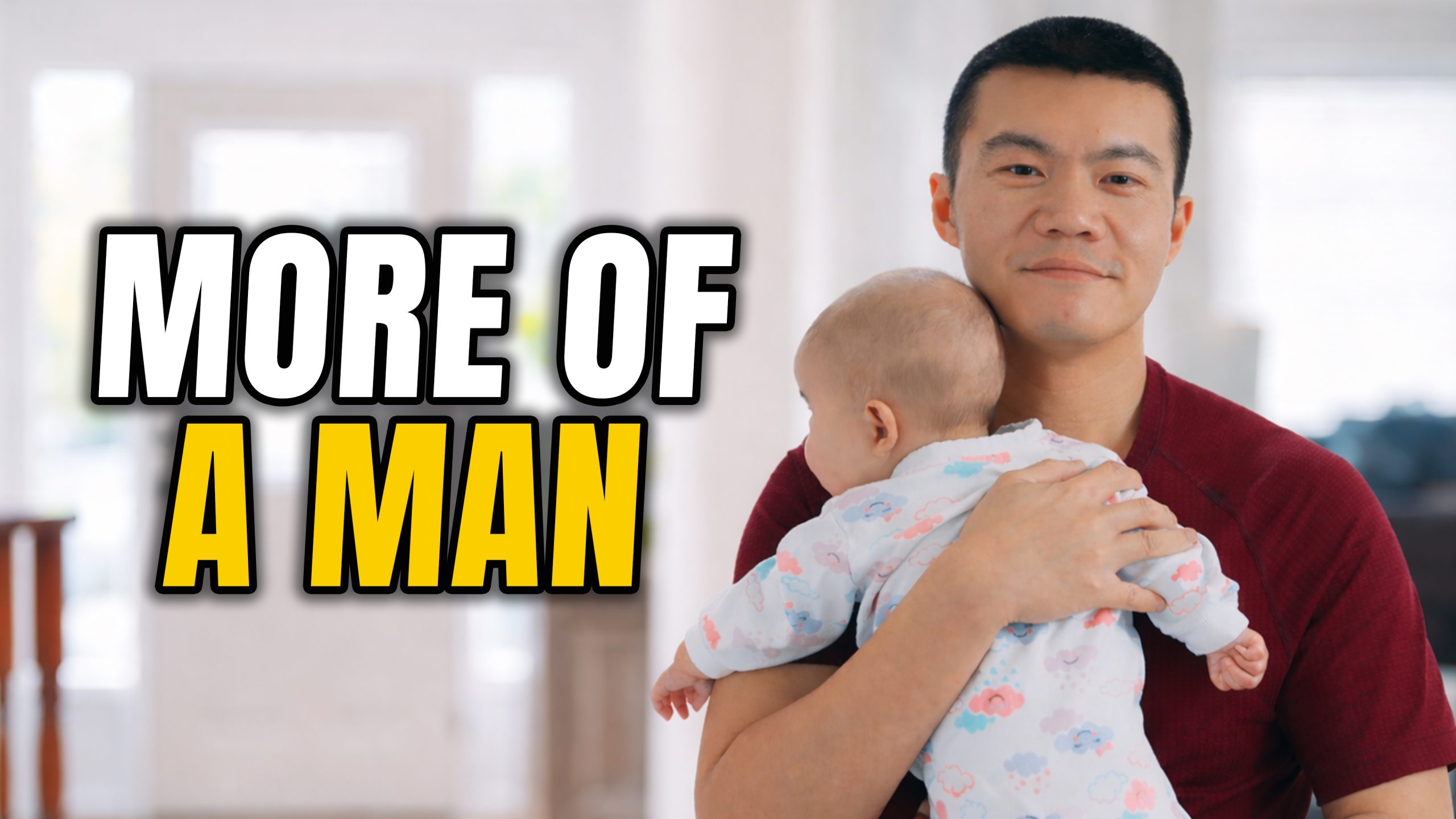
It’s walking around midday with my daughter in a baby carrier. It’s being at baby events where I’m often the only dad in a room full of moms. It’s getting smiles, comments, and sometimes big kudos from strangers who say, “Wow, that’s amazing. You’re such a good dad.”
I don’t do it for praise. But it says something about our culture that father presence still surprises people.
And here’s the truth: there is nothing unmanly about carrying your child close to your chest. There is nothing weak about structuring your day around feeding schedules and naps. There is nothing soft about sacrificing career momentum for covenant responsibility.
If anything, it requires strength.
It requires security in who you are.
It requires clarity in what actually matters.
And the data backs this up. Father presence is not just emotionally meaningful. It is statistically significant. Research consistently shows that children growing up in father absent homes face dramatically higher risks across multiple outcomes. Studies indicate that youth from fatherless homes are significantly more likely to experience poverty, struggle academically, and engage in delinquent behavior.
Some reports show that a large majority of youth in correctional facilities come from homes without a resident father. Other data suggests children without active father involvement are several times more likely to encounter behavioral challenges or juvenile justice involvement compared to peers with engaged fathers.
Now, correlation doesn’t mean inevitability. There are incredible single mothers doing heroic work. But when patterns repeat across decades of research, we have to pay attention. Father involvement is one of the strongest protective factors in a child’s life.
And that makes presence a moral issue.
As a Christian man, I don’t see fatherhood as optional add on identity. I see it as calling.
Deuteronomy 6:6–7 says, “And you must commit yourselves wholeheartedly to these commands that I am giving you today. Repeat them again and again to your children. Talk about them when you are at home and when you are on the road, when you are going to bed and when you are getting up.”
Notice the rhythm in that passage. When you are at home. When you are on the road. When you are getting up. When you are going to bed. That requires proximity. That requires presence. You cannot disciple from a distance.
And here’s something I’ve realized three months in: paternity leave hasn’t made me less disciplined. It’s refined my discipline.
I don’t train six hours a day anymore. But I train with intention. I protect small windows. I build routine around my daughter’s rhythms. I’ve learned that structure isn’t about volume. It’s about consistency.
In some ways, this season has made me sharper.
Because now I’m not training for a medal. I’m training for longevity. I’m not structuring my day around competition. I’m structuring it around covenant.
There’s also a stigma that when a man stays home, even temporarily, he must be coasting. That ambition is fading. That something is off.
But ambition redirected toward family is not weakness. It is maturity.
The world tells men to optimize income. Scripture tells men to optimize faithfulness.
The internet tells men to detach, protect themselves, avoid risk, avoid emotional investment. But covenant requires investment. Fatherhood requires vulnerability. And love requires sacrifice.
Walking around in the middle of the day with my daughter strapped to my chest doesn’t feel like retreat. It feels like leadership in its most grounded form.
It feels like stewardship. It feels like formation.
And that word formation matters. Because fatherhood forms children. But it also forms men.
I am being shaped in this season. My patience is being shaped. My humility is being shaped. My endurance is being shaped in a different way than Ironman ever shaped it.
Ironman trained my body to endure physical discomfort.
Fatherhood trains my heart to endure selflessness.
And one day, when she grows up, I won’t regret not squeezing in one more high volume training block. But I would regret missing this.
If you’re a man watching this and you’re considering taking paternity leave or leaning into fatherhood more deeply, don’t let cultural whispers define masculinity for you.
Masculinity is not withdrawal. Masculinity is not isolation. Masculinity is not constant production. Masculinity is responsibility embraced.
It is strength under control. It is presence under pressure. It is love in action.
I still believe in hard work. I still believe in excellence. I still believe in training your body and mind. But I also believe the most important work many of us will ever do will never be publicly applauded.
It will happen in living rooms. On walks. At bedtime. In quiet mornings.
And if the research is right… and I believe it is… then father presence changes generational trajectories.
So three months into fourteen, I can tell you this: I don’t feel behind. I don’t feel diminished. I feel aligned.
Aligned with my calling as a husband. Aligned with my calling as a father. Aligned with the kind of man I want to be when I’m eighty.
If your season allows you to be present, lean into it. Structure your days. Keep your discipline. Train your body. Provide well. But do not outsource your presence.
Your children don’t just need provision.
They need you.
If this resonated with you, I’d love for you to like this video. It helps more than you think. Subscribe if you want more conversations around faith, family, formation, and fitness. And leave a comment… especially if you’re a dad, or considering becoming one… about what fatherhood has taught you so far.
Because in a world telling men to detach, drift, or just focus on themselves, choosing presence is countercultural.
And that is the better story.