Gambling is Destroying Young Men
A recent news article out of Ontario stopped me in my tracks. Young men are contacting gambling helplines at rates more than 300% higher than before Ontario’s online gambling market expanded. That’s not just an alarming statistic — it’s a warning sign. Online gambling has quietly become one of the most accessible addictions in modern culture. What once required a trip to a casino is now sitting in every pocket, available 24/7 through sports betting apps, online casinos, and gaming platforms designed to keep users engaged for as long as possible. And the reality is likely even worse than the numbers suggest, because many people struggling with gambling addiction never seek help at all.
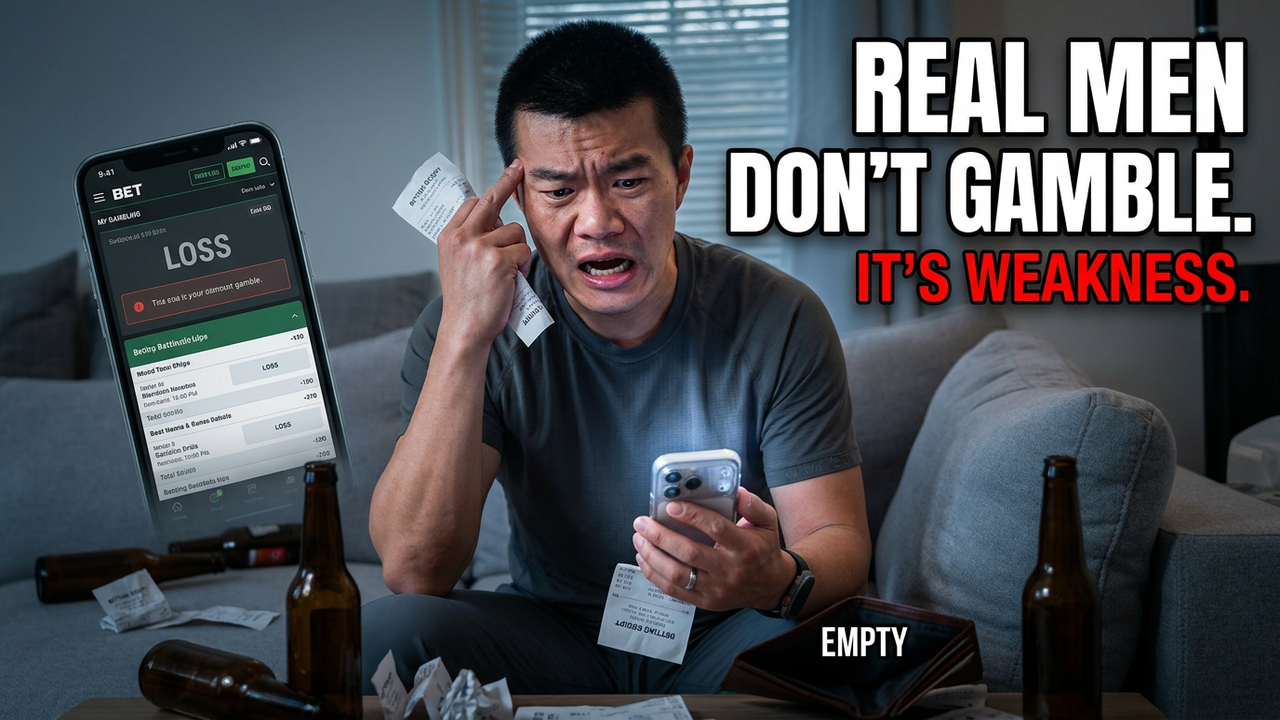
For many men, this isn’t simply harmless entertainment anymore. It’s becoming a quiet crisis. Modern gambling platforms are engineered to stimulate dopamine, the brain chemical associated with reward and pleasure. The flashing graphics, instant feedback, near-wins, and endless opportunities to “try again” activate the same reward systems involved in substance addictions. Over time, what begins as casual entertainment can slowly become dependency. But addiction is rarely just about the activity itself. Often, the deeper issue is what the activity replaces. Many men turn to gambling seeking excitement, escape, stress relief, or emotional stimulation. Others use it to numb boredom, loneliness, frustration, or insecurity. The gambling becomes less about money and more about emotional coping. And when digital escape begins replacing real purpose, real relationships, and real responsibility, the damage spreads far beyond finances.
Financial strain is already one of the leading causes of conflict and divorce in North America. Secret spending, mounting debt, and financial dishonesty erode trust inside a marriage, and gambling accelerates all of those pressures. Studies have shown that couples dealing with unresolved gambling addiction face dramatically higher divorce rates than couples without gambling problems. But the impact doesn’t stop there. Problem gambling is also associated with anxiety, depression, emotional instability, bankruptcy, relationship breakdown, isolation, and increased suicide risk. Families suffer alongside the individual, and children growing up in those homes can also experience emotional and psychological challenges. This is why gambling addiction cannot simply be dismissed as “harmless fun.” It’s a stealth crisis affecting men, marriages, and families.
Scripture speaks clearly about anything that begins to master us. In 1 Corinthians 6:12, Paul writes, “I have the right to do anything,” you say, but not everything is beneficial… I will not be mastered by anything. That principle applies to gambling just as much as any other addictive behavior. The issue is not merely whether something is allowed. The issue is whether it begins controlling your mind, habits, finances, and relationships. Addiction is not freedom, it’s bondage disguised as entertainment. The Bible also warns against placing hope in unstable things. Hebrews 11:1 describes faith as confidence rooted in God’s promises, not in luck, chance, or random outcomes. Gambling subtly trains people to place hope in uncertainty instead of stewardship, wisdom, and obedience. God calls men to build, provide, protect, and steward well, not gamble away stability chasing temporary highs.
Telling someone to “just quit gambling” is rarely enough. People don’t overcome addiction through willpower alone. Real healing comes when deeper needs are addressed. Many addictions grow in the soil of isolation, lack of purpose, emotional pain, and disconnection. That’s why both practical and spiritual solutions matter together. The first step is honest acknowledgment. Addiction grows in secrecy, but healing begins when struggles are brought into the light. James 5:16 encourages believers to confess struggles and seek prayer and accountability. Talking with a trusted pastor, counselor, mentor, spouse, or close Christian brother can be the beginning of real change. Shame hides addiction, but openness weakens it.
Accountability is also essential because isolation deepens destructive habits. Organizations like Gamblers Anonymousexist to provide support, community, and recovery pathways for people trying to break free from gambling addiction. Practical accountability may include deleting gambling apps, blocking gambling websites, setting financial restrictions, or giving a trusted person access to finances for transparency. Removing easy access does not instantly heal the deeper heart issue, but it reduces temptation’s power and creates healthier boundaries.
Men were never designed to spend their lives chasing dopamine spikes and quick emotional highs. Healthy fulfillment comes from meaningful work, service, brotherhood, spiritual growth, marriage, family investment, discipline, and purpose. Jesus calls men into purpose, not escape. In Luke 9:23, He says, “If any of you wants to be my follower, you must deny yourself, take up your cross daily, and follow me.” That path is harder than chasing quick pleasure, but it leads to peace instead of destruction. Gambling often isolates men emotionally from their families, yet strong homes are built through honesty, prayer, responsibility, emotional presence, and shared mission. Children need stability more than excitement, and wives need honesty more than hidden habits. A man focused on protecting and building his home begins trading risky impulses for long-term purpose.
It is also important to recognize that addiction is serious and sometimes requires professional support. There is no shame in seeking Christian counseling, addiction therapy, financial counseling, or mental health support. Healing is not weakness, it is wisdom. If gambling has ever pulled at you, even casually, ask yourself honestly: Is it controlling your thoughts? Is it costing money you cannot afford to lose? Is it affecting your relationships? Are you hiding it from people close to you? Are you rationalizing behavior you know is unhealthy? Those are warning signs worth paying attention to. Freedom rarely happens all at once, but change can begin today by removing easy access, inviting accountability, praying honestly, and replacing destructive habits with meaningful ones.
This generation of men does not need to lose itself to algorithms, betting apps, and endless dopamine loops. Men were made for something greater: stewardship, responsibility, covenant, leadership, presence, and integrity. A strong man is not the one constantly chasing risk and temporary highs. It is the man who protects his home, leads with wisdom, stays present for his family, and walks faithfully through life with purpose. That’s the better story.